
Flooding disasters and wastewater system failures wreak havoc and damage properties in cities and towns across the Great Lakes. For many in the region, community flooding and basement backups are a chronic issue that has persisted for years – sometimes generations – as government and other actors have failed again and again to upgrade and maintain adequate sewer and wastewater systems and otherwise protect homes and communities. Families live with mold in their homes, lose invaluable personal belongings from sewage contamination, and experience cycles of trauma each time it rains.
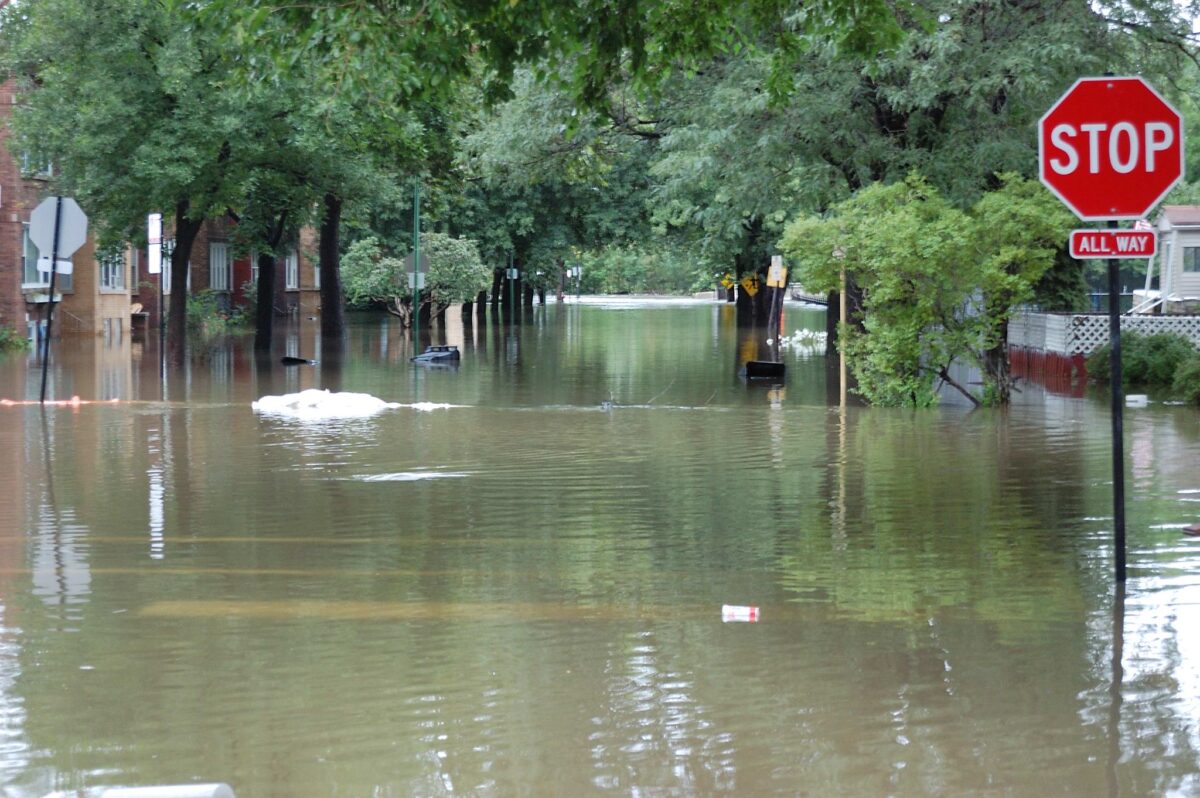
While many residents feel the ramifications of these disasters, communities of color are particularly vulnerable to failing stormwater and wastewater systems. In an analysis of insurance data from Chicago over a ten-year period (2007 – 2016), nearly ninety-percent of flood damage claims were made in Chicago’s Black and Brown neighborhoods – at a cost of over $400 million in payments. A federal government analysis following 2024 flooding in Cook County, which includes Chicago, found a troubling – though not surprising – pattern of high vulnerability and need in these same areas. Moreover, climate change is only worsening these disparities and broader impacts as sewage systems are inundated with water during more intense and less predictable storms as our climate shifts.
Following multiple major storms in 2023 and 2024, the federal government set aside over a billion dollars for the Greater Chicago area to recover from floods that impacted communities of color on the South and West Sides and South Suburbs hardest. Impacted residents must be at the table deciding where, how, and to whom funds are directed to provide relief and build resiliency where it’s needed most. Otherwise, wastewater and stormwater systems will keep struggling to recover from the last storm while remaining unprepared for the next storm, continuing a long-standing cycle of harm.
Community-Driven Solutions for Chicago’s South and West Sides
The Flooding and Sewage Coalition, of which the Alliance is a core member, formed in the aftermath of these massive storms in Chicago. The Coalition is working to address root causes and identify solutions to flooding and basement backups on Chicago’s South and West ides with effective tools and community-led action. Coalition members are sharing their lived experiences, creating policy recommendations, and developing outreach and organizing strategies so that solutions to persistent flooding, sewage backups, and overflows are adopted and implemented by decision-makers – including where money should be spent to make these solutions a reality.
Impacted residents are experts on flooding and sewage issues in their neighborhoods. Their stories – collected by the Coalition through surveys and community events – paint a clear picture of how basement backups and chronic flooding can have devastating and long-lasting impacts on their mental health, families, businesses, physical health, and finances. One resident shared, “When you have a mortgage loan, and your property has issues you can’t keep up with, you [either] lose your property or have to suffer through it.”
Investments Should Recognize that Flooding and Sewage Failures Amplify Other Community Pressures
The Coalition recognizes that communities of color in Chicago, like many Great Lakes cities, experience sewage failures regularly because the systems in these communities were either not built large enough in the first place, or they’ve aged and desperately need significant funds to fix. These flooding and sewage failures layer on top of other pervasive, cumulative health and economic stressors. To make matters worse, while neighbors in more affluent communities get resources from government relief programs for flooding largely based on the “fair market value” of their homes, the deck is stacked against many residents of color – whose homes have devalued from years of damage and a long history of discriminatory land use and real estate practices.
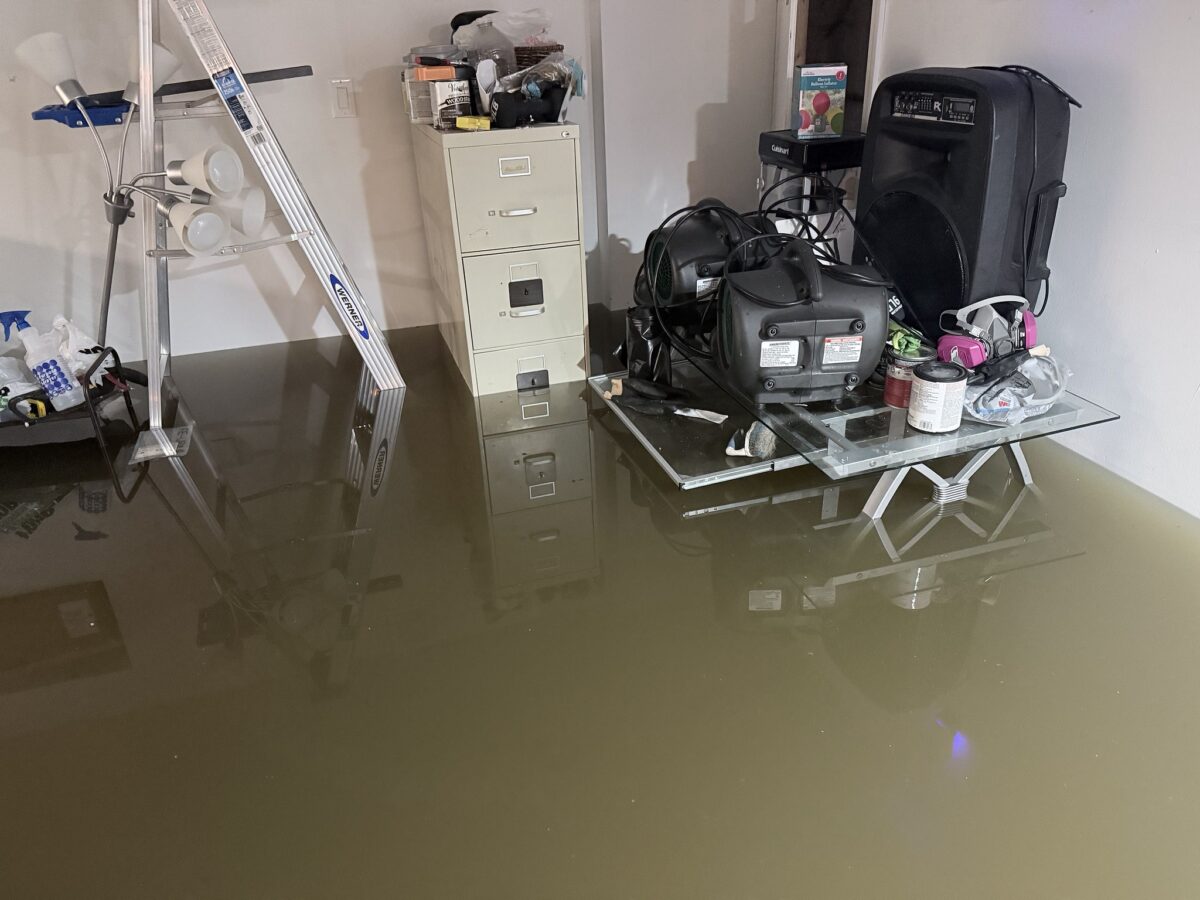
Cities like Chicago and public utilities have choices for when and where they invest in long-term fixes, but current policies and programs can undermine efforts. For example, many state and federal funding programs support water treatment plant upgrades or focus only on addressing water quality after water is discharged from sewer and stormwater systems. Although these investments are important, they divert funds from harder to target issues, like low overall capacity, that push sewage into homes. Federal and local data are clear – flood damages are disproportionately borne by communities of color – and local decisionmakers must prioritize investments to address these impacts, as well as find creative solutions to fill these funding gaps.
Building Community Power to Ensure Investment Is Made Where It’s Needed Most
Through the Coalition, residents in several flood-impacted neighborhoods across Chicago have shared an array of community-oriented and validated solutions, including sewer drain maintenance, litter removal, repairs, expanded sewer and wastewater system capacity, and developer-funded local improvements. They also shared the desire for home rain gardens, street bioswales and assistance for utility replacement and/or maintenance after repeated floods.
These experiences must be met with strong City and State commitments to change the underlying policies that created these problems. That’s why the Coalition has also co-developed a compendium of city, state, and federal policy opportunities with residents from across impacted neighborhoods. This policy digest will guide our advocacy over the next several months – focusing collective efforts on creating the most effective programs and policy levers for real and lasting change.
The Coalition is also developing a flood and sewage vulnerability screening tool to help decision-makers understand where investment is needed most. The tool considers the cumulative impacts on the health, well-being, and quality of life of communities that arise from the environmental burdens, health conditions, and social stressors, as well as the interactions between those stressors, that exist in their area.
Add Your Flooding Story
By creating deep connections across organizations and neighborhoods, we are building power to take collective action on flooding. Advocacy to effect change is already in motion – from combining forces at a City Council public hearing on flood policy, to shaping the City’s approach to prioritizing vulnerable areas for stormwater investments.
Over the next several months, the Alliance and our Coalition partners will continue building momentum – synthesizing takeaways from resident surveys, fine-tuning the vulnerability screening tool for City use, and refining policy priorities.
If you are interested in helping drive solutions to flooding, join our email list to learn about opportunities for you to help us build community power toward lasting change.