
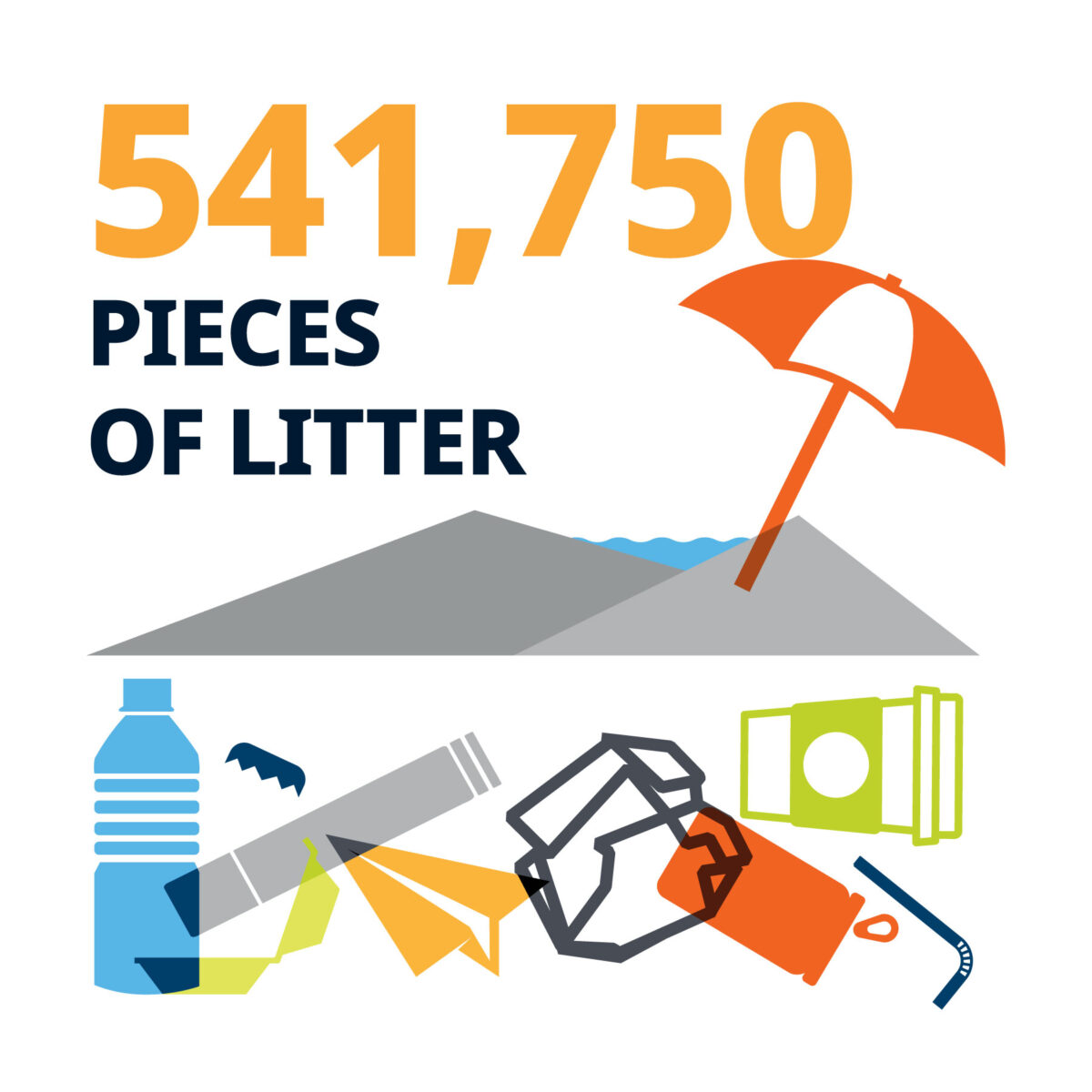
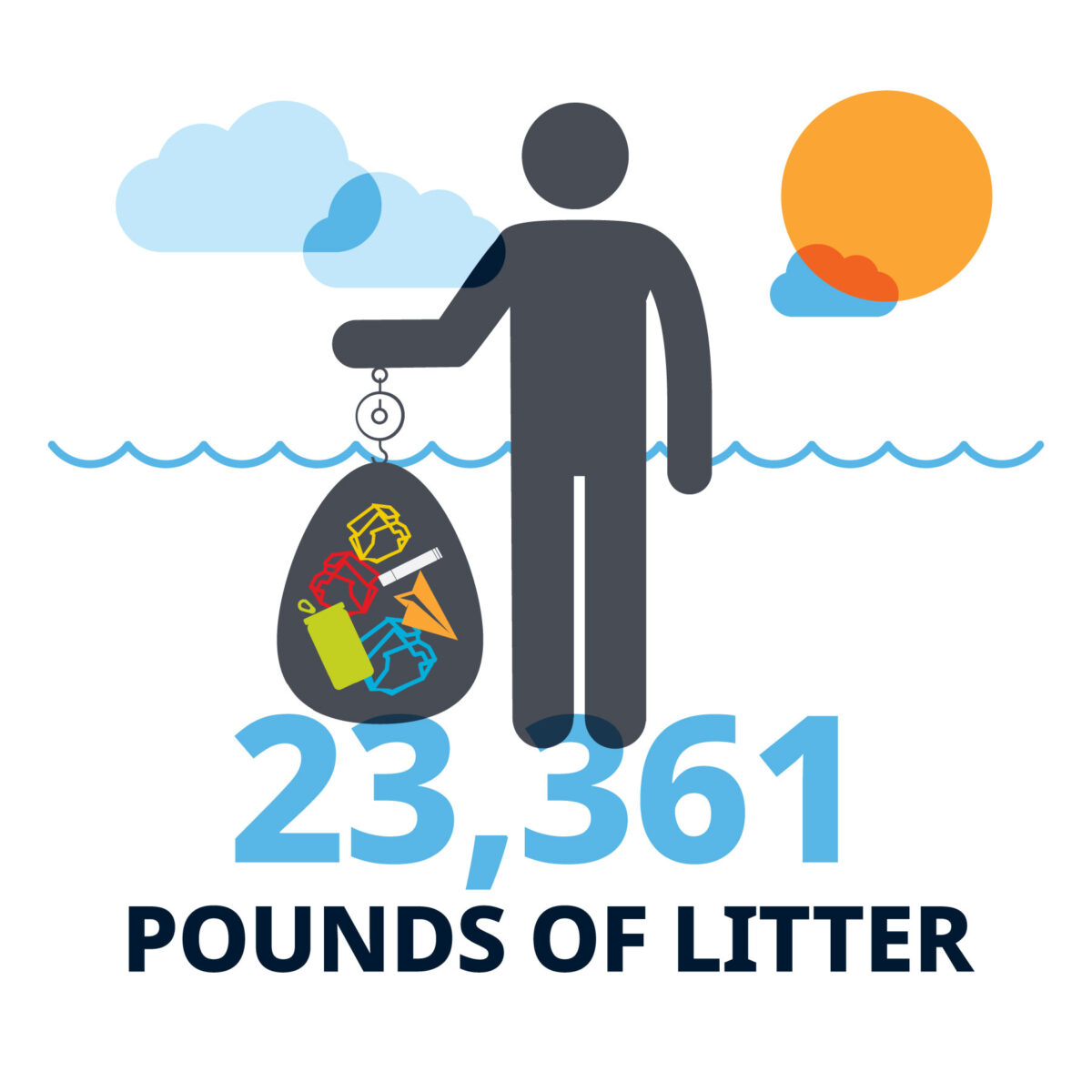
Our amazing Adopt-a-Beach volunteers removed 541,750 pieces of litter – more than 23,000 pounds – from Great Lakes beaches, trails, parks, and marinas in 2025! Their work kept more than 11 tons of plastic waste and other litter out of the Great Lakes.
And their work made ripples far beyond the shoreline.
“Each cleanup makes a lasting impact,” says Olivia Reda, the Alliance’s Volunteer Engagement Manager. “The day of the cleanup, volunteers come together and do something positive for their community. After the cleanup is over, the data they collected helps our region for years to come.”
Adopt-a-Beach volunteers tally up the litter they find, adding to a Great Lakes litter dataset the Alliance for the Great Lakes has maintained since 2003. In 2025, the data was used to help students, educators, and policy makers throughout the region.
Adopt-a-Beach data is helping students learn
High school and college students are using Adopt-a-Beach data to learn about plastic pollution and to hone their data analytics skills.
- 7th-12th grade students at Harbor City International School in Duluth, Minnesota, have participated in 19 Adopt-a-Beach cleanups over the past 10 years. This year, science teacher Brian Scott invited the Alliance to share summary data from the school’s local cleanups and show students how their efforts have contributed to the regional dataset. “Our own trash pick-ups have been used in research projects with the Alliance! I thought that was very cool,” said one student. Another student noted that while cleanups are important, systemic solutions are also needed and we aren’t going to see real change “until we go to the source of the problem.”
- At Harry S. Truman College in Chicago, student Sabrina Bernard used Adopt-a-Beach data to analyze litter trends on five Lake Michigan beaches from Chicago to Milwaukee. Her advisor, Professor of Chemistry Raymund Torralba, has led cleanups at Chicago’s Montrose Beach for many years. Sabrina presented a poster of her findings and recommendations at the Truman Symposium of Student Research and Creative Activity.
- At University of Wisconsin Milwaukee’s Lubar College of Business, Professor Joan Shapiro Beigh and MBA candidate Grace Iyiola are using Adopt-a-Beach data to help business students hone their data analytics skills. Beigh and Iyiola’s seminar on Data Analytics & Innovation features a deep dive into Wisconsin’s 2024 shoreline litter data. “Students are examining Adopt-a-Beach data from several different perspectives,” says Beigh. “What would I want to know if I were a government agency? A researcher? A tourist bureau? They’re learning how to probe a large dataset, practice data visualization, and start telling stories with data. And, in the process, they’re learning a lot about the plastic littering Wisconsin’s shorelines.”
Adopt-a-Beach data is changing policy
Students aren’t the only ones learning from Adopt-a-Beach. Policymakers are also using the data to learn about plastic pollution, better understand it, and come up with solutions.
“Every time plastics legislation is discussed in the Great Lakes Basin, Adopt-a-Beach data is utilized,” says Andrea Densham, Senior Policy Advisor to the Alliance. “Adopt-a-Beach data is being referenced from city councils to bi-national organizations as they consider robust and forward-thinking policies and strategies to combat plastic pollution.”
Adopt-a-Beach data was cited this year in conversations about plastic pollution at the Great Lakes Legislative Caucus, the National Caucus of Environmental Legislators, and the International Joint Commission. One outcome is a growing movement to monitor the level of microplastics in the Great Lakes and our drinking water.
In the Michigan state house, Adopt-a-Beach data was used in testimony supporting a bill to start monitoring microplastics in Michigan’s lakes and rivers. In Illinois, Adopt-a-Beach data was included in testimony supporting a bill to phase out plastic foam foodware. And in Erie, Pennsylvania, the Environmental Advisory Council’s single‑use plastics subcommittee is combining Adopt-a-Beach data with findings from a city litter study and local survey data for stakeholder conversations about single-use plastics.
Data totals for 2025
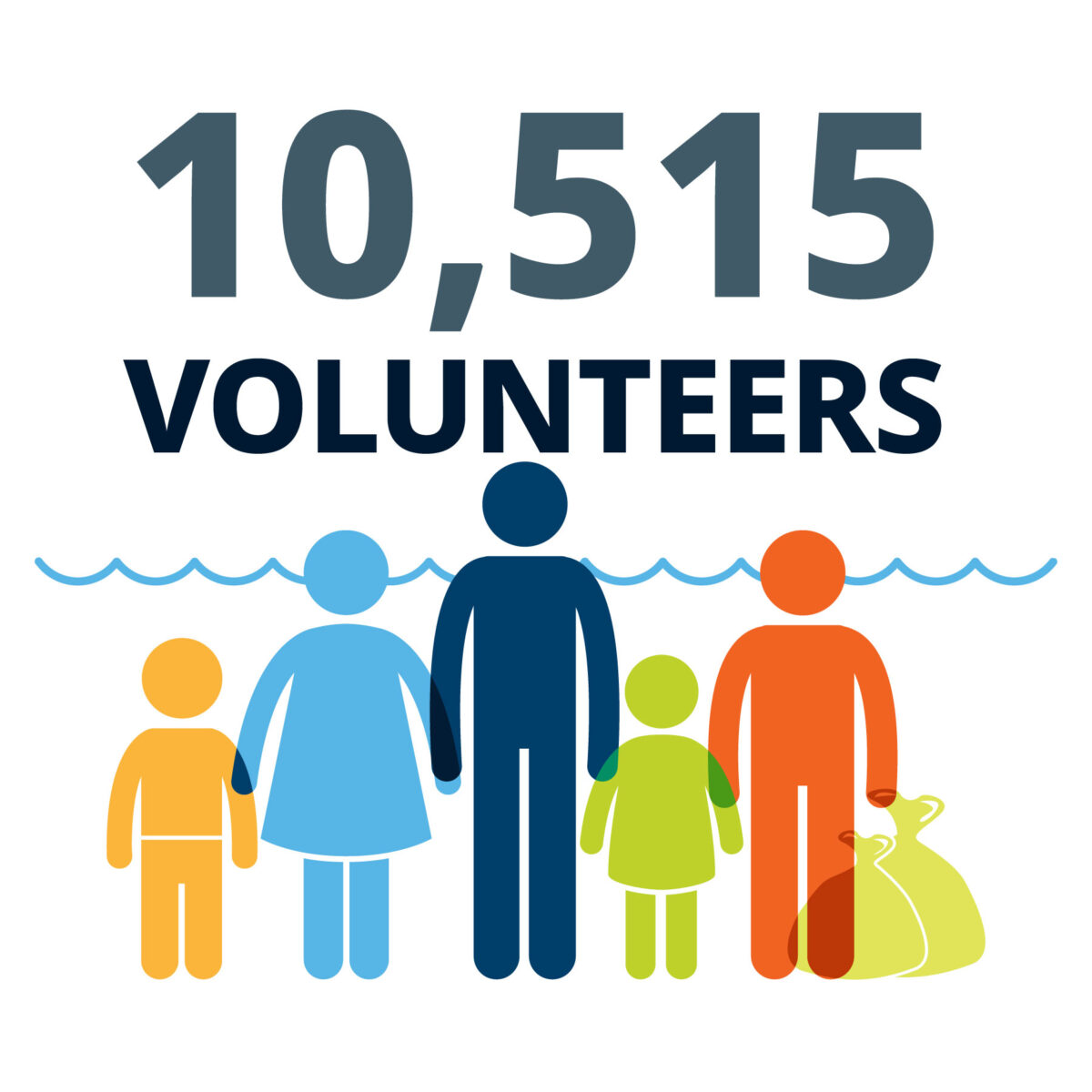
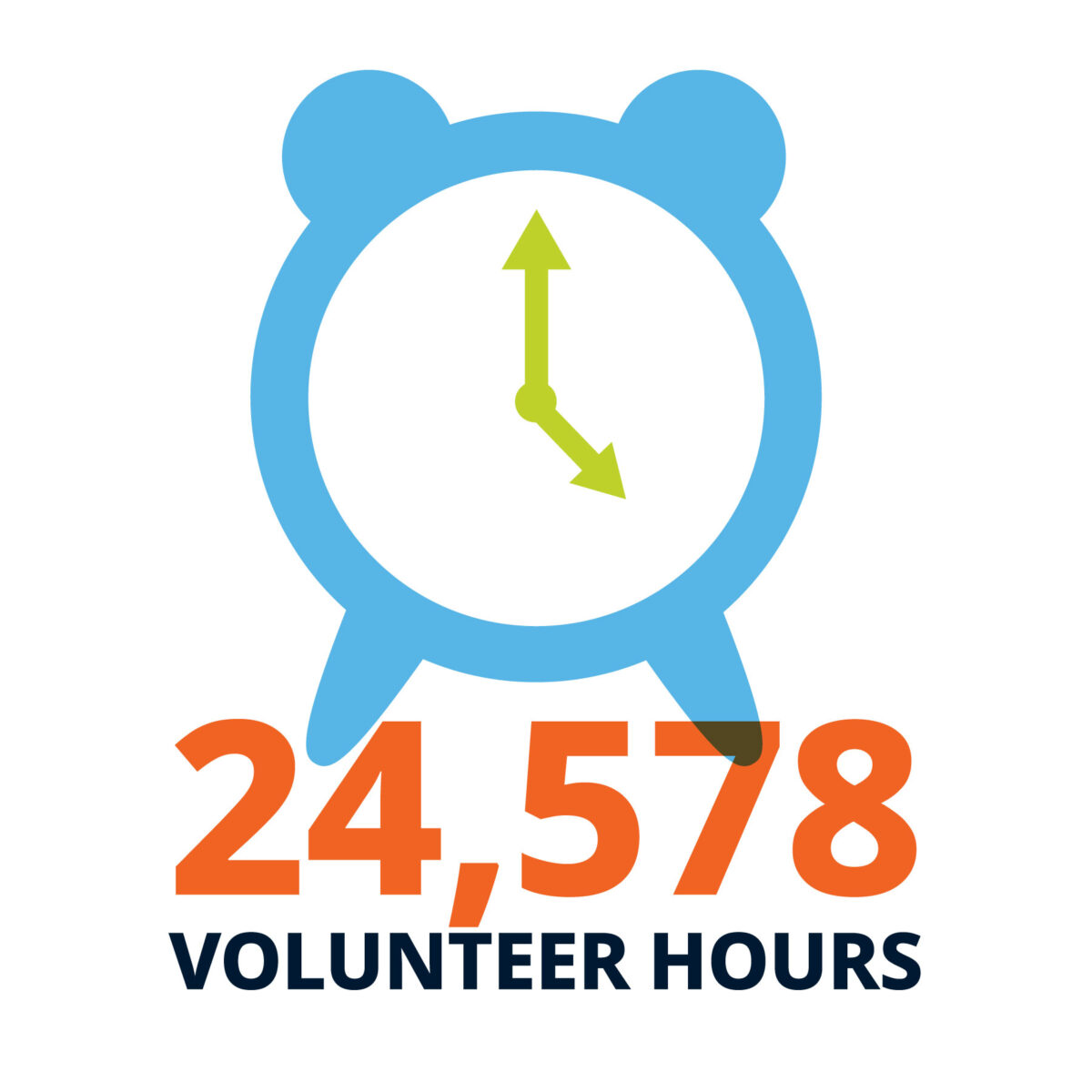
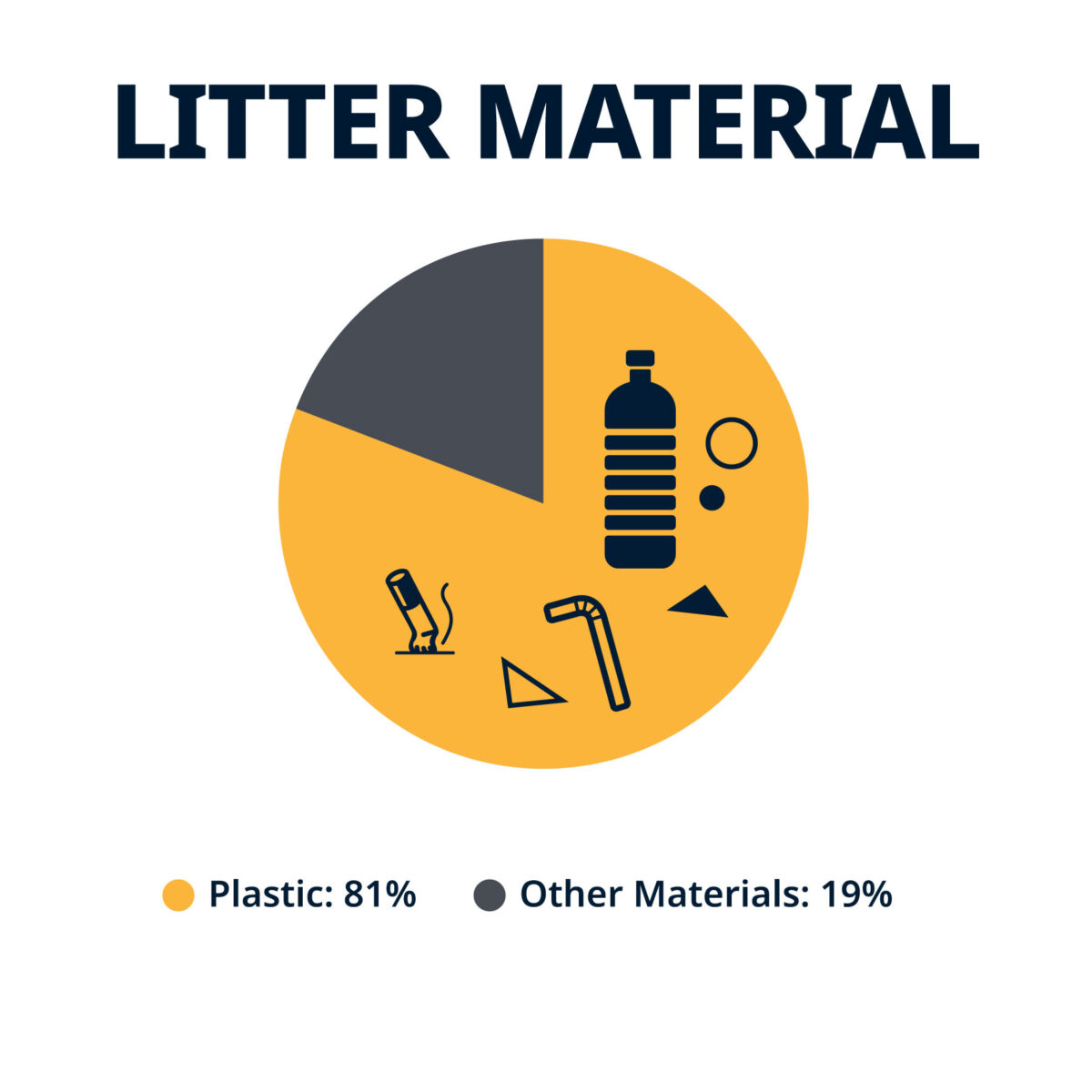
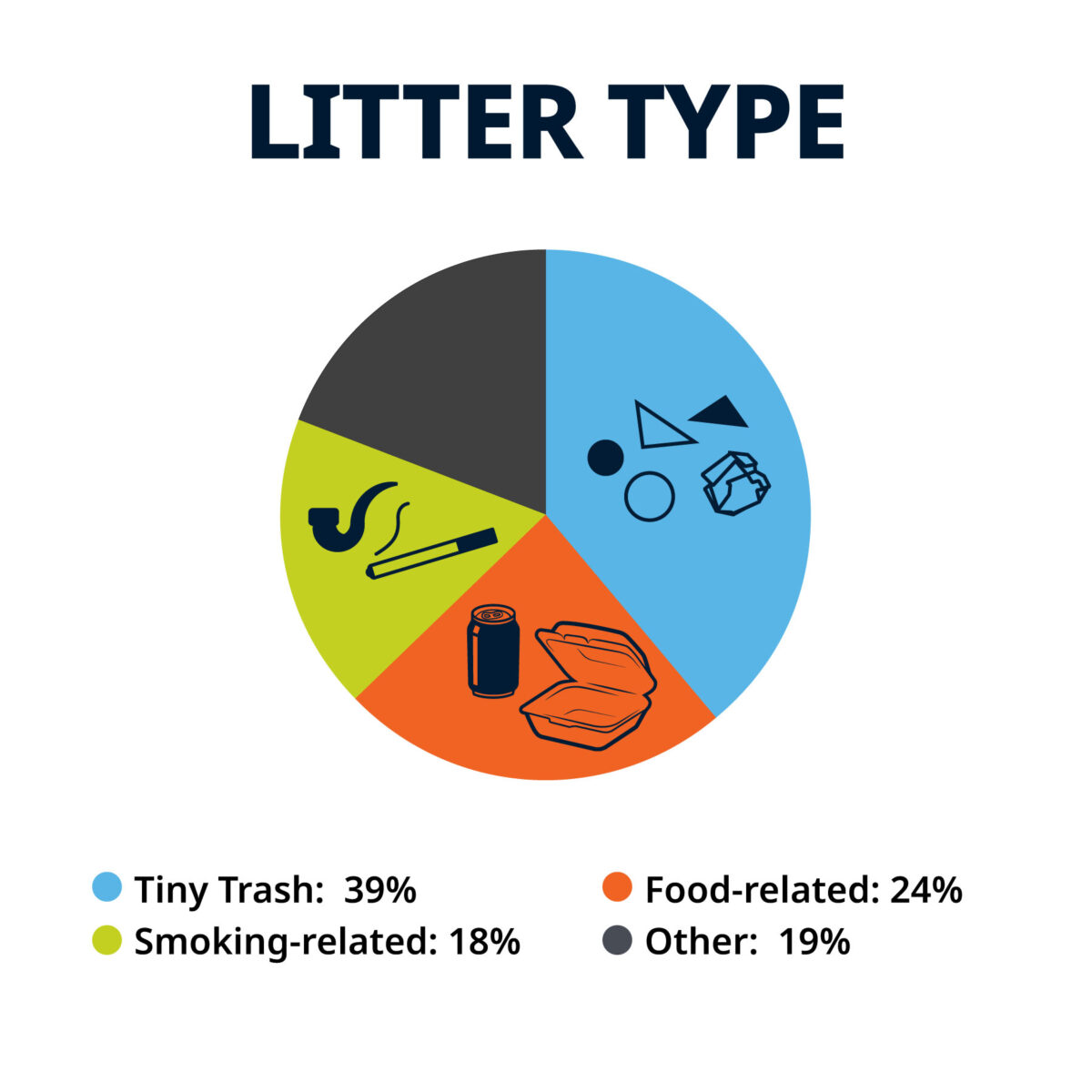
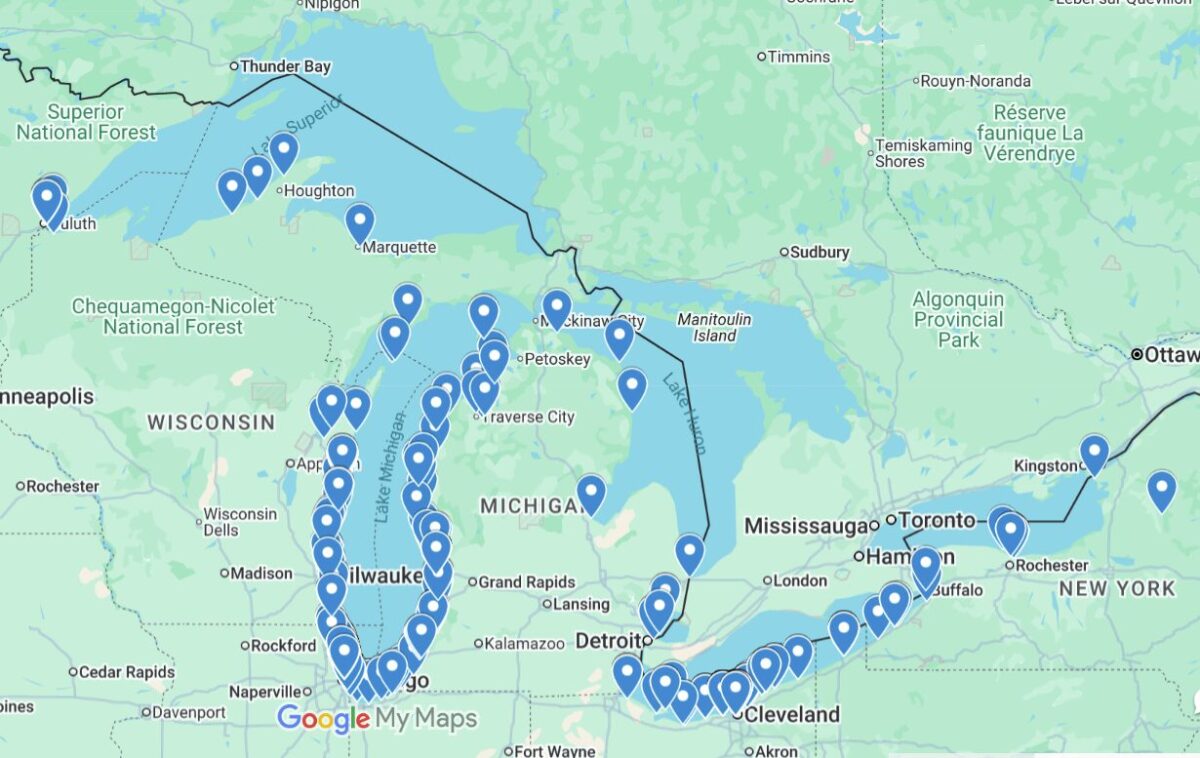
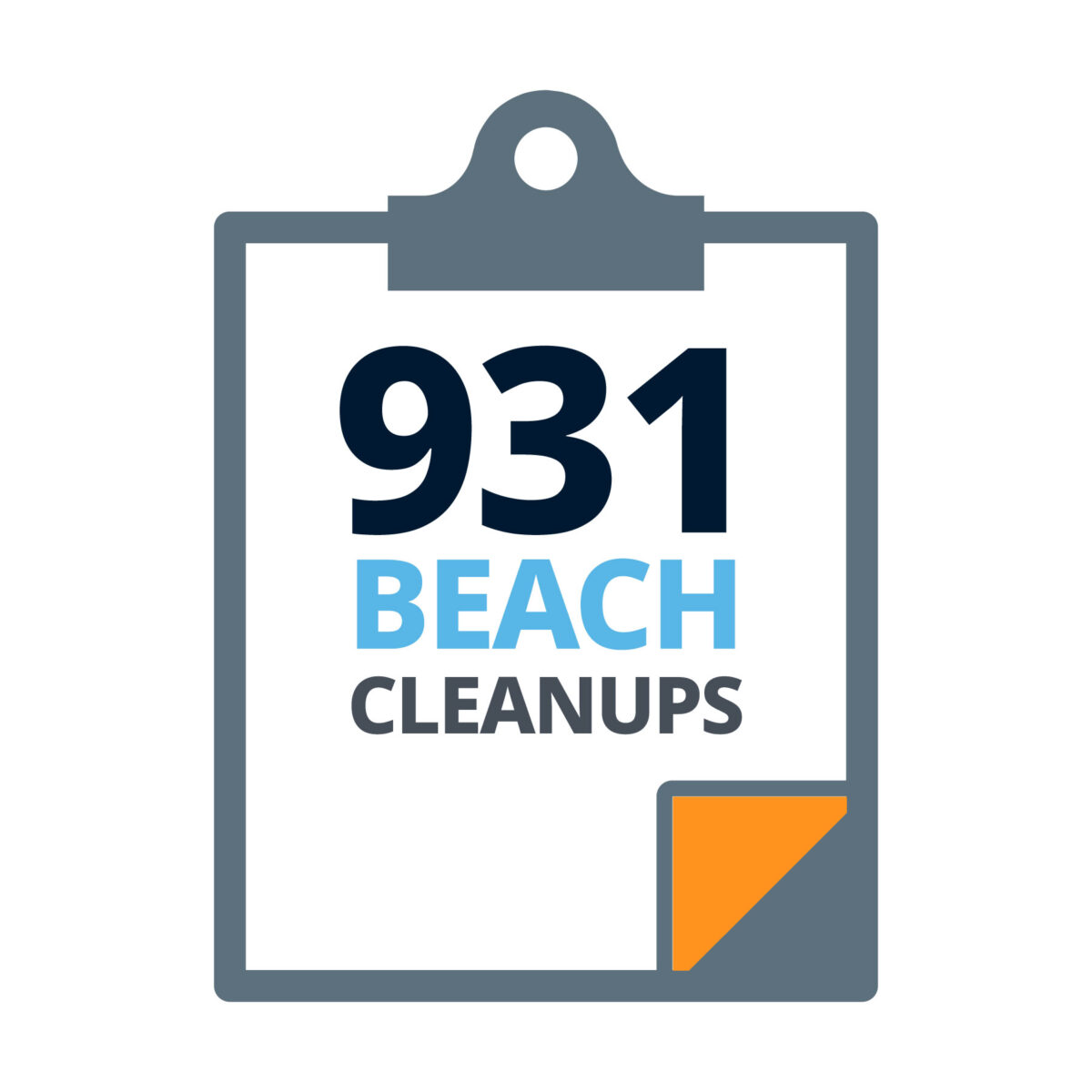
Thank you to all the Adopt-a-Beach Team Leaders and volunteers who cared for their shorelines this year! Here are their totals for 2025:
A special thanks to this year’s top Adopt-a-Beach sponsors: Dr. Scholl Foundation, Freudenberg, HSBC, and Meijer.