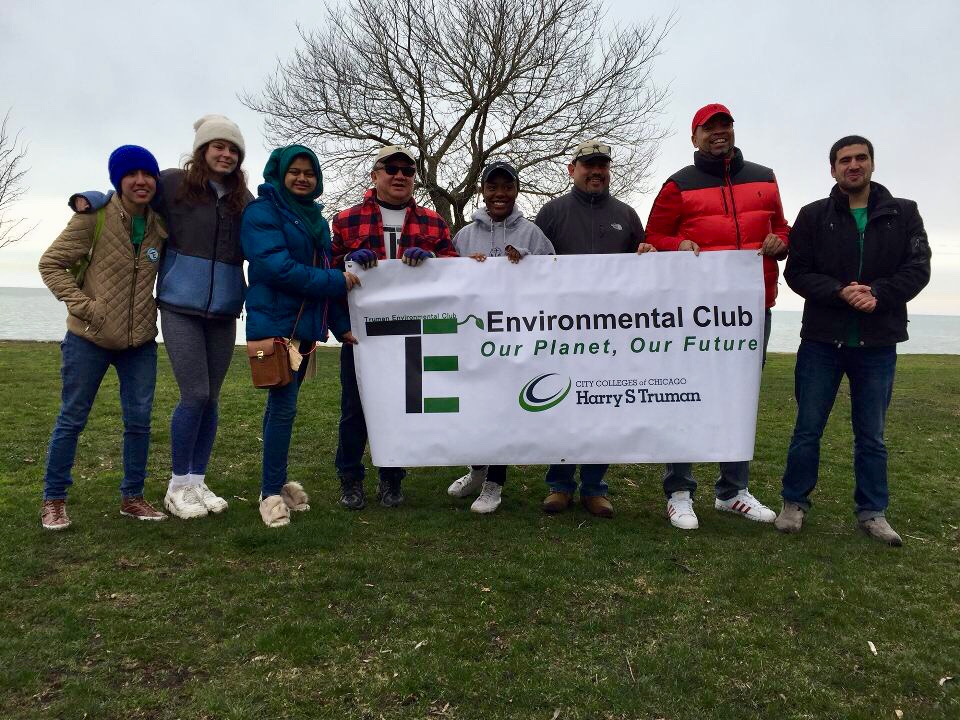
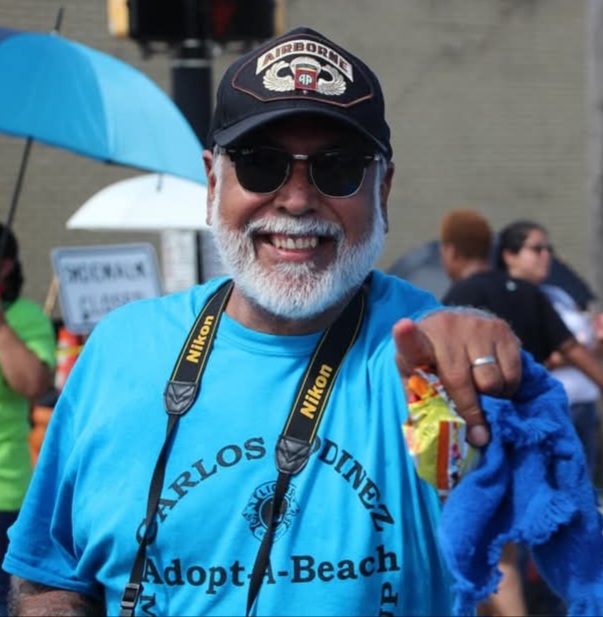
For Patrick G. Rodriguez Sr., it started with a newspaper article. A new member of the Indiana Harbor–East Chicago Lions Club brought information about Adopt-a-Beach to a meeting. The club voted to take on an environmental service project. They voted Patrick to lead it. He has been organizing cleanups ever since.
What surprised him most that first year was the unknown. His club lacked a blueprint. They did not know where to stand, what to measure, or how to begin. What steadied them was the Adopt-a-Beach program. Experienced hands guiding new ones.
Years later, when Lion Carlos Godinez, the member who first suggested the project, passed away from cancer, the club renamed their effort in his honor. The Carlos Godinez Adopt-a-Beach Memorial Cleanup is now part of the shoreline’s story. His idea still gathers people at the water’s edge.
Patrick speaks often about teachable moments. About measuring longshore currents at Jeorse Park Beach and discovering irregular water flow caused by construction decisions along the lakefront. About how volunteer-collected data can surface issues larger than any one cleanup day.
“Every cleanup is more than picking up trash. It is about educating the public, building friendships, and strengthening our communities,” says Patrick.
At the end of each cleanup, Patrick feels relief and pride. Pride that neighbors, city leaders, and volunteers stood shoulder to shoulder with a shared purpose. Pride that what began as a club vote became a community tradition.
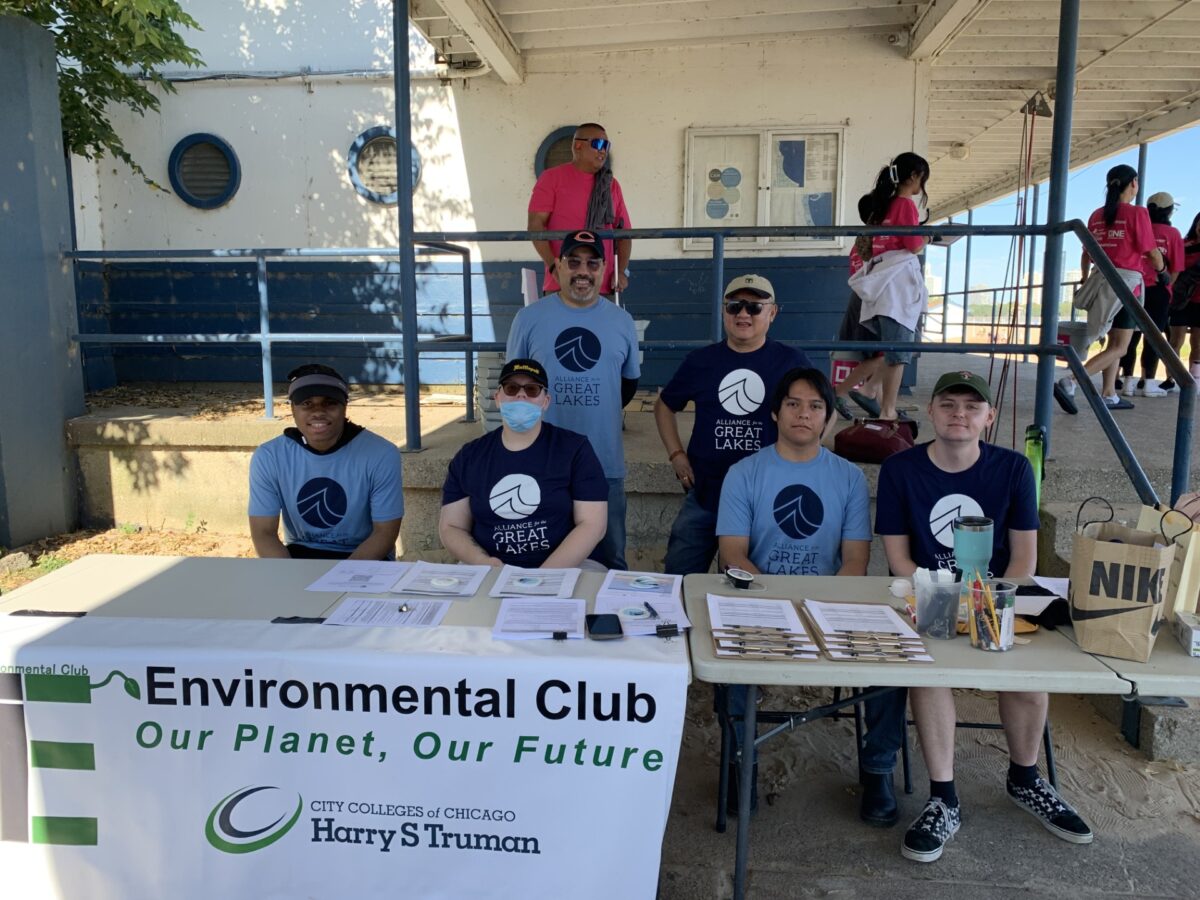
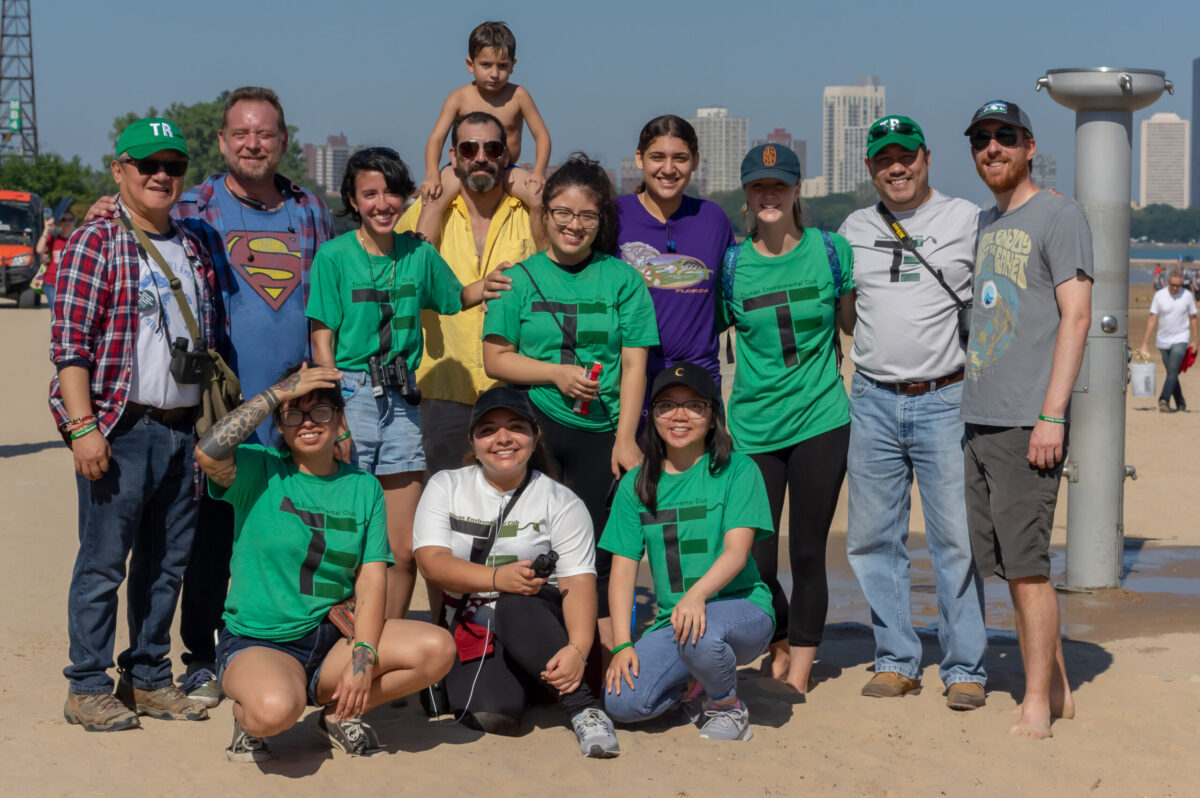
Further north at Montrose Beach, for Raymund C. Torralba, PhD, it began for a different reason.
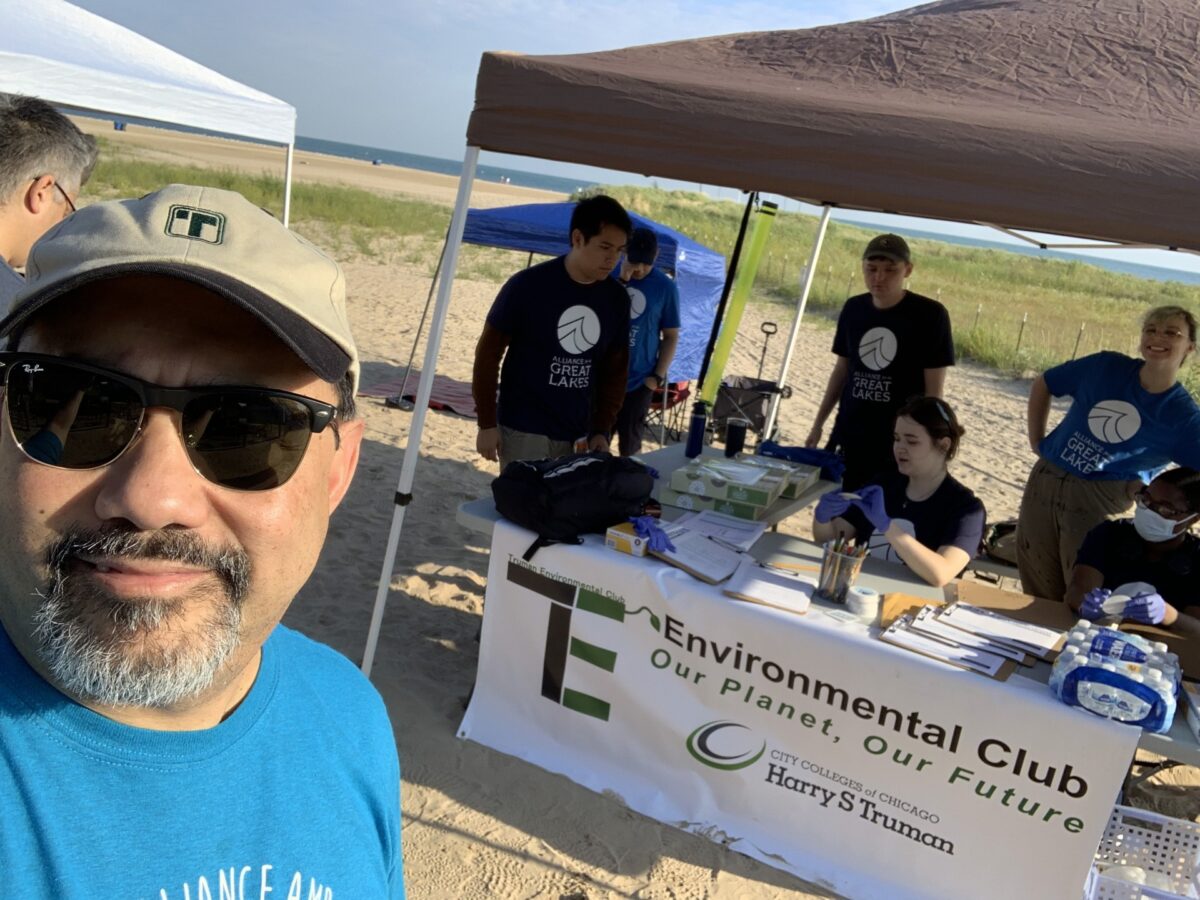
He wanted his students to feel connected to something real. To be civically engaged. To know that citizenship is not abstract.
At his first cleanup, the volume of plastic and cigarette butts shocked everyone. What surprised him more was how quickly students claimed the space. They were not just collecting litter. They were protecting something.
One afternoon, a parishioner from his church arrived to volunteer and was delighted to see Ray leading the event. Shared faith met shared responsibility. That moment stayed with him.
Both leaders understand that this work lands differently now.
In 2025 alone, Adopt-a-Beach volunteers removed more than 23,000 pounds of litter from Great Lakes shorelines and contributed critical data about plastic pollution. That data is helping shape conversations about freshwater protection and policy decisions as we move into 2026.
“Cleanups might look simple, but they open people’s eyes and remind us that caring for our lakes is work we must keep doing,” says Raymund.
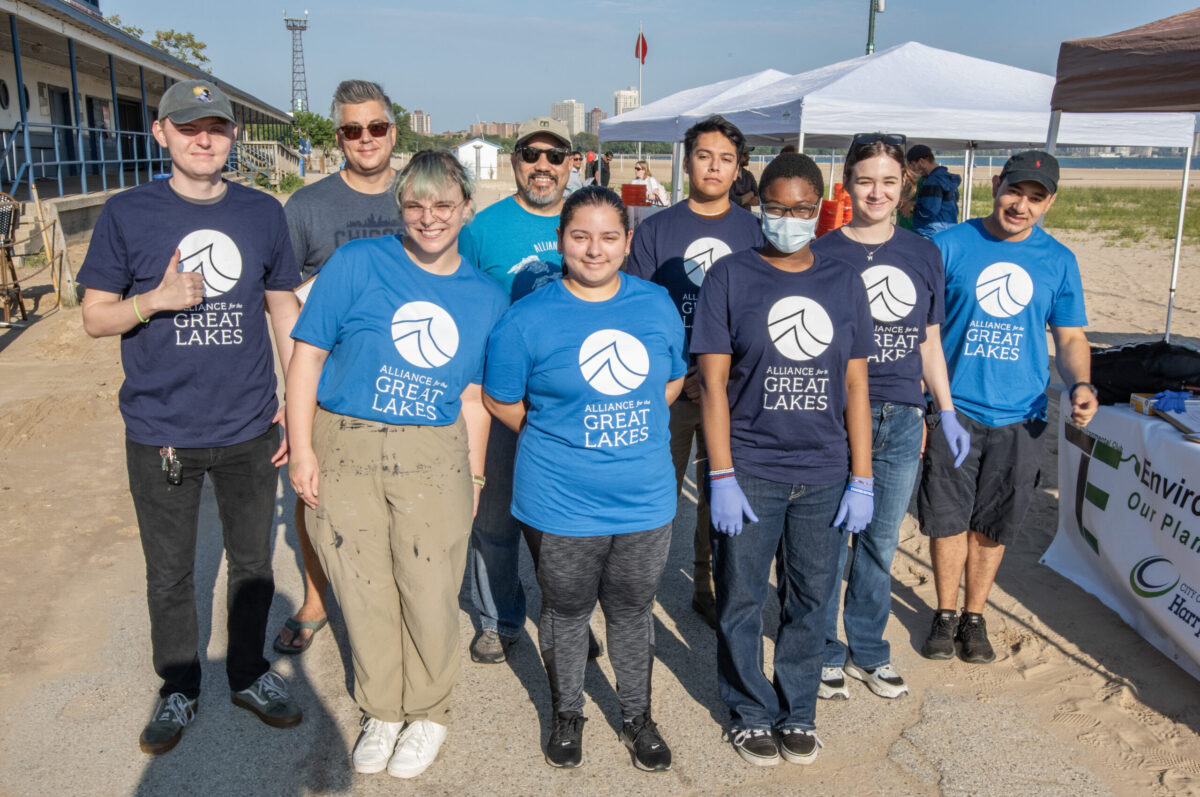
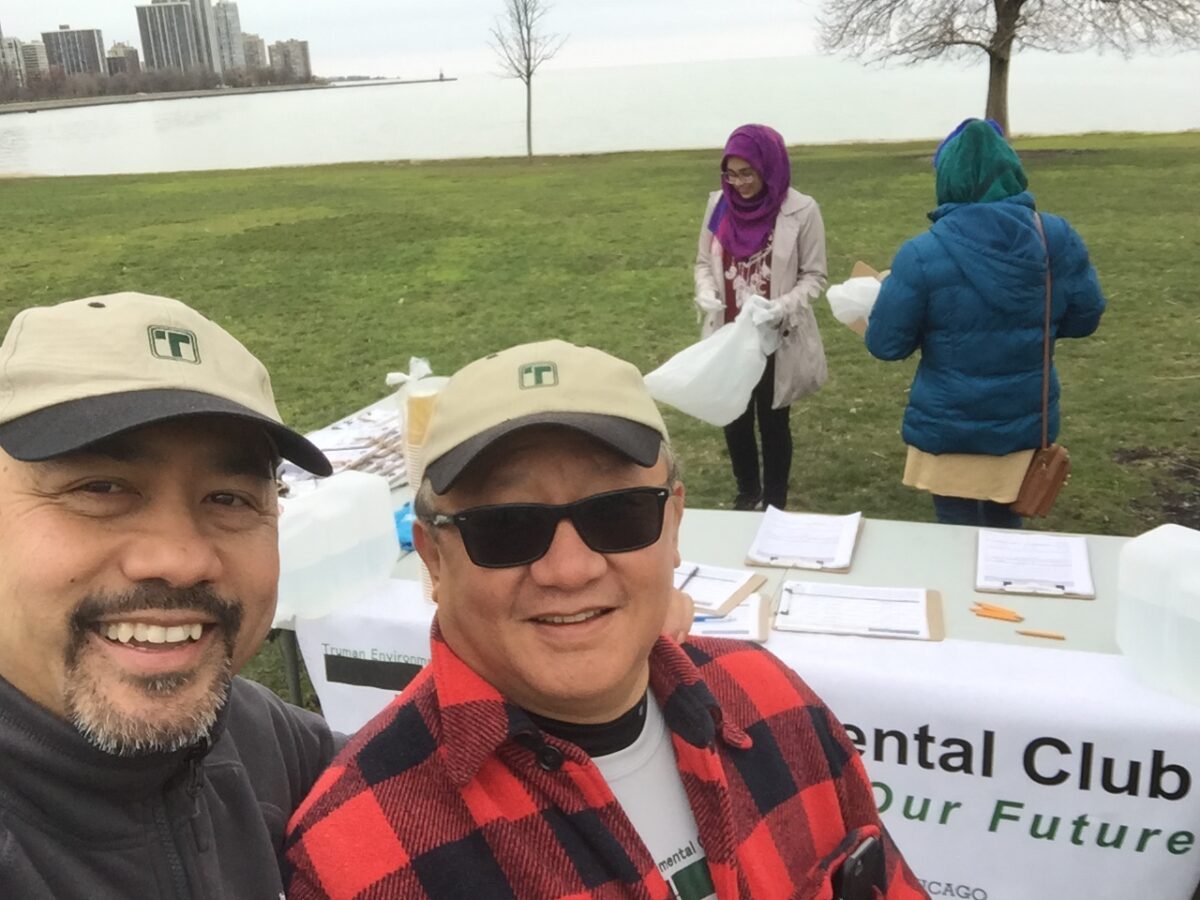
Cleanups may look simple from the outside. A bag. Gloves. A clipboard. But something deeper is happening.
Ownership is forming. Awareness is shifting. Community is knitting itself tighter.
Patrick will tell you to learn the history of your shoreline. Arrive early. Ask questions. Seek mentorship. Ray will tell you to go for it and trust that support is available.
Because every cleanup is more than picking up trash.
It is a reminder that water connects us and that stewardship is shared.
That showing up still matters.
And in 2026, we are showing up again.
If you have ever considered becoming a Team Leader, this is your invitation. Gather your students. Your coworkers. Your congregation. Your friends. Learn your shoreline. Protect it. Leave it better than you found it. The lakes are waiting.